Showing posts with label transportation. Show all posts

Monday, October 30, 2023

Bicycle Culture

Riding a bicycle in Japan is a perfectly normal, everyday occurrence in Japan.  It's NOT just for leisure time or sport as it is in the States.  Almost everyone rides a bicycle from young to old, from business men to students, and even families!  


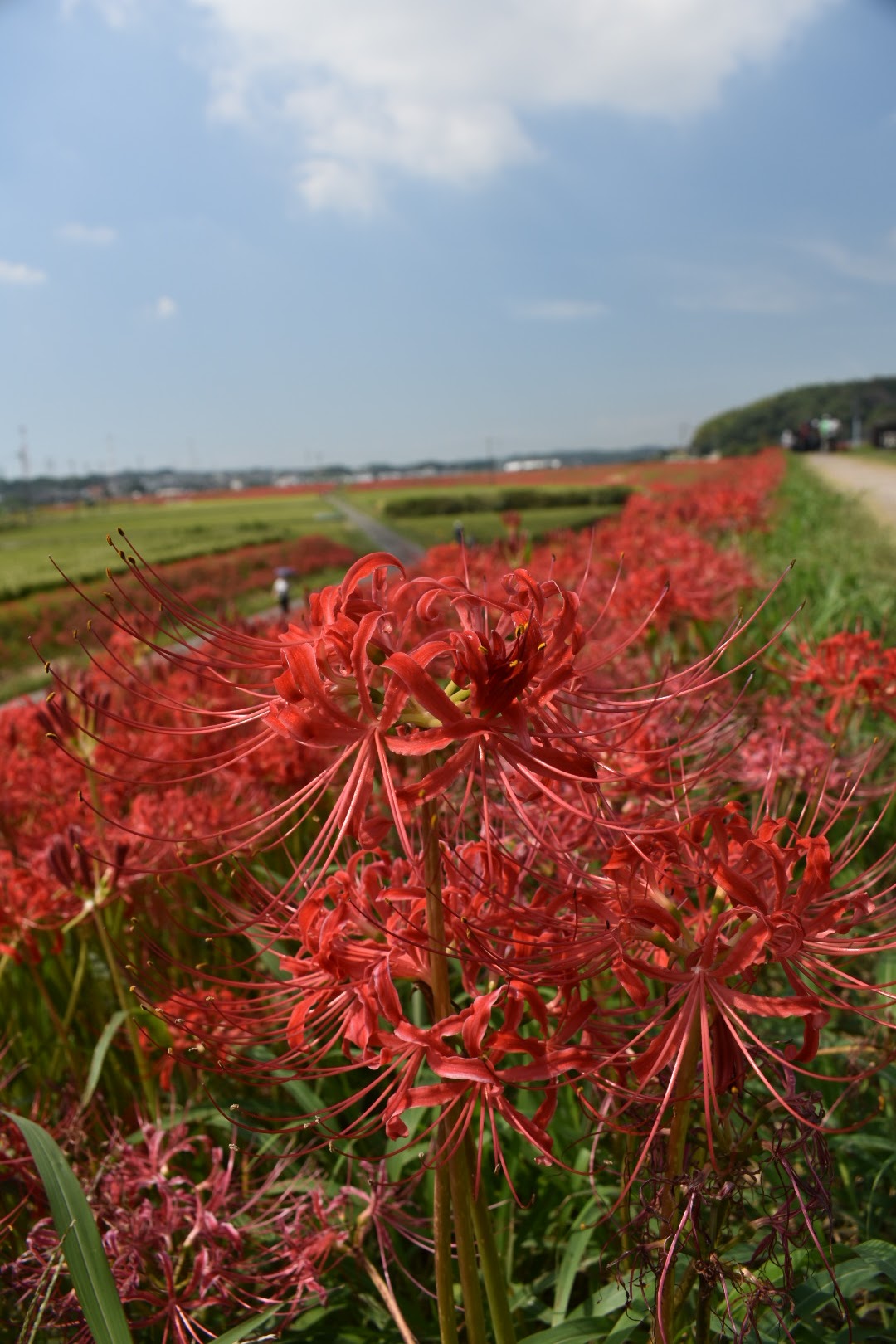
This is one of my favorite photos from last fall. This lady was walking her bike as she viewed the Spider Lilies.  


This was from last spring, in a park.


This was also last spring, of a tiny child on a balance bike.


It is not uncommon at all to see business men riding bikes to the train station.  Women also ride bikes in dresses and skirts. My question is: How to do they keep from getting too sweaty?!

Features you may not find on bikes in the States: 


A light that is built in and powered by the turning of the wheel.


A built in lock that t simply stops the rear wheel from turning. No one is worried about the man with a truck coming around and tossing their bike in the bed. 


Built in bell. I don't think most adult bikes have them in the States.


A kickstand that goes under the back tire and isn't as easily broke off as the single post kind.


A lock for the kickstand so your bike doesn't accidentally fall if it gets bumped.


Of course, mom (or dad) have responsibilities of taking care of their children, so they can't ride alone! It's not uncommon to see these bike seats, children even in the front and the back at the same time!


Since bike riding is so common place, certain features are available that I have never seen in the States. This is an apartment building with bike parking out front, as well as a ramp to make getting it there easy.


Bike ramps can be found on hills that include stairs.


Bike ramps are also quite common on street overpasses. 


I always walk my bike down these, but I think some people ride down! I'm too scared!!!  Many overpasses have cones to block bikes from doing this.


Bike parking is a common sight.  Many places have bike parking, even covered bike parking (for rain/snow and sun protection).


This is my local supa (grocery store) bike parking. Several times a week I ride my bike here as it probably takes only one minute on the bike to get here.  It's all downhill!!!


This is my bike laden with the day's haul.  I always put the heaviest things in the back as it makes the handlebars too hard to keep straight with heavy items in the front basket. 
 

Two level bike parking!


This is a photo of how to get your bike up to the second level.  Space in Japan is at a premium.

When I go to the station by myself to use the subway, many times I will take my bike to go faster.  Many stores you can park for free in front of, but for longer than an hour or so, it is safer to pay a nominal fee (near me is is 100 - with today's exchange rate, that's $0.67) so your bike doesn't get impounded. Peace of mind = worth it!


This is my bike parked at one of the local stations.


You have to pay attention to the number on the yellow spot you parked, that is how you will pay.


Here is the pay station at my local subway entrance.  You type the number of the stall you parked in and then pay. This machine has the option to pay with the same card as you do the train (IC card).


Sometimes parking can be SUPER TIGHT! It's possible to get your bike in there, but I don't want to do it.


Some bike parking will even tell you if it is is full or not (like a parking garage!) The green kanji right under the tree is telling you that parking is not full.


This is another two story bike parking. I have never used it. I believe you can even buy monthly parking here.


This is another public parking; this one takes coins only. 


Here are the instructions on how to use this system. You take the lock and lace it through your bike and insert it into the box. When you are ready to go, you pay your fee and push the button to release the lock. One time this parking was almost full and someone had LOCKE THE LAST ONE WITHOUT A BIKE, so I had to pay BEFORE AND AFTER using it! 


This is our local bicycle retention facility, what I like to refer to as "bike jail." Every bicycle should have registration, so it should be possible to get your bike back, but it seems many bikes just go here to die.

The last thing is actually riding your bike. Believe it or not, it can be confusing at first. 


On major streets, many times there will be clearly marked sides - for pedestrians and bikes. 


On smaller streets, this is a common sight. However, I have been told that you will never be ticketed for riding your bike on the sidewalk, even if these signs are present.  Thus, the confusion!!!!

What do you think? Would you give bicycle life a try in Japan? Is riding a bicycle common where you live?

Monday, February 27, 2023

Driving in Japan Part 2

Interesting randomness I have learned about driving in Japan in the last six months. 

Getting anywhere in a car takes just as long, if not LONGER than the ETA. No racing the GPS to see if you can beat the ETA (come on drivers, admit it, you've done it!). Most regular streets have a speed limit of 40 km/hour which converts to about 25 mph. Even smaller streets is 30 kmh (19 mph) and the widest streets or the expressway (toll road) are technically only 50 (31 mph) or 60 kmh (37 mph) (which almost no one goes and I have never seen anyone get a speeding ticket. The fastest speed limit posted I have seen is 80 kmh, which is about 50 mph!

Japanese people are some of the most patient people EVER. In daily life queuing up is something that they do without question and waiting for pedestrians and bikes to cross the street is completely normal and to be expected when driving. If you missed my first driving post talking about the driving test, check it out. There are a million safety and bike checks.

Japanese law favors the smaller vehicle over the larger vehicle. I.e, the pedestrian over a bicycle, or a bicycle over a car. I have a friend who told me she got in a minor accident with a bike when she was driving here and they basically told her, it's not your fault, but it's your fault. 

What do you think? Would you give driving a go in Japan? If you are from the the States, it is SUPER EASY to get an international driving permit.  All you do is go to AAA, show them your current driver's license, give or take a passport sized photo, pay $20 and BOOM, you're licensed to drive in most other countries (for one calendar year). 

Friday, February 17, 2023

Driving in Japan

It's very nerve wracking coming to a country that drives on the opposite side of the road. Not only that, the steering wheel is on the other side, and everything is flipped in the car. The first few times driving were the worst. I'd flip the windshield wipers on at least once a drive for a while, trying to turn on the blinker.  I also leaned to the left because I felt waaaay too close to things on my right side, since I was used to being on the other side of the car while driving.  

Here is the car we are leasing here in Japan.  It's called a Toyota Sienta.  Yes, Americans, you read that right. It's a Sienta, not Sienna.  It is technically a mini van, since it seats seven, but the third row of seats is quite small and there is no storage when they are in place.  When they are folded, they lay fairly flat, so it leaves us a lot of storage space for Costco trips and road trips.  We thought it would be a good car for driving guests around town or road tripping just our family around Japan.  


Looking in from the passenger's side of the car, the driver sits on the right side of the car, not on the left like in the States.

The driver's side. 

Everything is on the opposite side from cars in the States, including the blinkers, windshield wipers, and the automatic transmission gear shift. Thankfully, the gas and the brakes pedals are on the same sides at your feet! Otherwise that could be disastrous! 


The first time I drove in Japan it was on regular streets with an instructor from a driving school who was grading my EVERY move.  It was a month into our time in Japan and I hadn't driven at all since I left the States.  Philip drove first, he drives very cautiously, but even he got feedback from this driving instructor! We were both graded on our driving and we each received a "C" grade, hahaha! It was passing, though, so we got the OK to drive ourselves! 

To get a Japanese driver's license, we have to take both a written test and an actual driving test.  Instead of having a Department of Motor Vehicles (as California does), or  Department of Public Safety (as Texas does) each prefecture has their own driver's license centers.  Not sure why police is in the name, but I am guessing it's because all the teachers/testers are retired policemen.  
This is a stop sign.  

The relocation company supplied us with a Japanese driving handbook in English.

So many different signs, but thankfully most are similar to in those in the States.  
Probably the biggest difference in driving (besides being on the opposite side of the street and car) is the lights.  They have the same colors for stop, go, and slow; but this is a common sight and very confusing at first. In the States, arrows are reserved for turns and a circular red light is usually only used for straight through traffic and right turns (but sometimes a yield on left turn), but in the top photo, the arrow is being used for straight ahead drivers.  Turning in both directions have a red light.  In the bottom photo, everyone can go but right turns. 


Another big difference that doesn't warrant a photo is in the States it is OK to turn right (the direction of turn where you do no have to cross traffic) as long as you come to a complete stop and look to see if anyone is coming.  In Japan it is ILLEGAL to turn left (the direction of turn where you do not have to cross traffic). There is ONE exception.  If there is a blue arrow with a white background, you may turn on red.  I have yet to notice one yet here on the streets of Japan. Usually you see white arrows with a blue background, which indicates the direction of traffic movement (on a one way street).  

In order to convert your foreign licence to a Japanese license, you must take both a written and practical driving exam.  The written test is easy, it's mostly common sense and most people pass the first time.  The driving portion, however, is very difficult.  So difficult that the company will pay for us to take it TWICE. There are three courses for the driving test for foreign license conversion. You are supposed to memorize  all of them, but you won't know which course you will drive until the day of the test. The tester will tell you right or left, but not when to change lanes. 

The test is on a closed course. It has everything like in real life, such as traffic lights, stop signs, a simulated railroad crossing (transferring your license from another country doesn't cross this, but it should be noted that it's the law to make a full stop at a railroad crossing and look both ways before proceeding), crosswalks, curvy narrow roads (s curve), sharp narrow corners (the crank), parking spots (transfers of license do not have to park in the test, but it should be noted that it is customary to back in to any given parking spot), cones blocking the street, even a bridge for manual transmission tests (it is a separate test from automatic transmission). Unlike the driving tests in the States, the car is provided on your test day.  They are these really old Toyotas, which are made for driving tests and practices; the passenger even has a break.  

During the test itself, the testers are looking for a million safety checks (turn left blinker on and bike check then bike check again before you actually make a left at a green light, right left right, right left bike check right, right left right and crosswalk check, etc). They are also looking for your to get really close to the center line when making a right turn (a LOT of streets in Japan are NARROW), and really close to the curb on left turns as to not let a bike or scooter squeeze between your car and the curb since you would hit them while turning.  The larger vehicle is always at fault in Japan, i.e. the car when a bike is involved or a bike when a pedestrian is involved.  When changing lanes, you must first check the rear view mirror.  I don't think I have ever done that when changing lanes before; so first is rear view, side view on the side you want to change lanes, then blind spot check by actually turning your head, then look forward, and then finally change lanes.  I also got called out in practices for putting my hand inside the wheel to turn (hand pointing up) you must always have your hands in the 10 and 2 position and not reach inside the wheel.  

Neither Philip nor I passed the first time taking the test.  Philip passed the second time, which was great, because it didn't cost us personally any more money.  Unfortunately, I took a third time to finally pass.  The test itself is cheap (around $20 USD, but the lessons to practice with an instructor at the license test center to get tips and practice each of the three courses was more expensive (around $70 USD).  If I hired a translator through the relo company, that would be around $50 USD an hour, so taking the test a third time could have been very expensive. (I had to get there early to take an eye test, check in, and walk the course, with a 90 minute wait to get the results, so it would have been around 3.5 to 4 hours I'd have to pay the translator for). Fortunately for me, Philip was able to arrange his schedule so he could be my translator.  He really only needed to translate the feedback and what they informed me about after I received my actual license.  If I had done a fourth test, I might have tried going alone, but I am thankful I didn't need to worry about that.  

Something interesting we learned after I got my license is that if your foreign license expires during your stay in Japan, you can apply for an international license to use in your home country.  Our licenses from Texas will actually expire next year, so we will need to renew them (hopefully) online to keep them current.  What do you think of the process of transferring your license?  It seems overly complicated in some ways and several people I know personally have said it's a racket and that they are trying to make money off of us.  

Thursday, October 27, 2022

Spider Lilies in Handa

I was planning on meeting a group called CCEA at a train station to go to Handa to see the Spider Lilies and have lunch, but I got confused on the train.  Poor planning, getting on the wrong train, and getting on the train going in the wrong direction... if something could have gone wrong on a train, I did it that day! As one of my friends said, "I don't get lost, I go on adventures!"

By the time I got there, they were already done seeing the spider lilies (I was THAT late!) so I went by myself.  They had guides in orange vests taking people to the Spider Lilies, so that was nice.  The one who spoke to me knew English.  Handa also has a fox as their thing.  I believe there is a story to go with it, but I don't know it.  

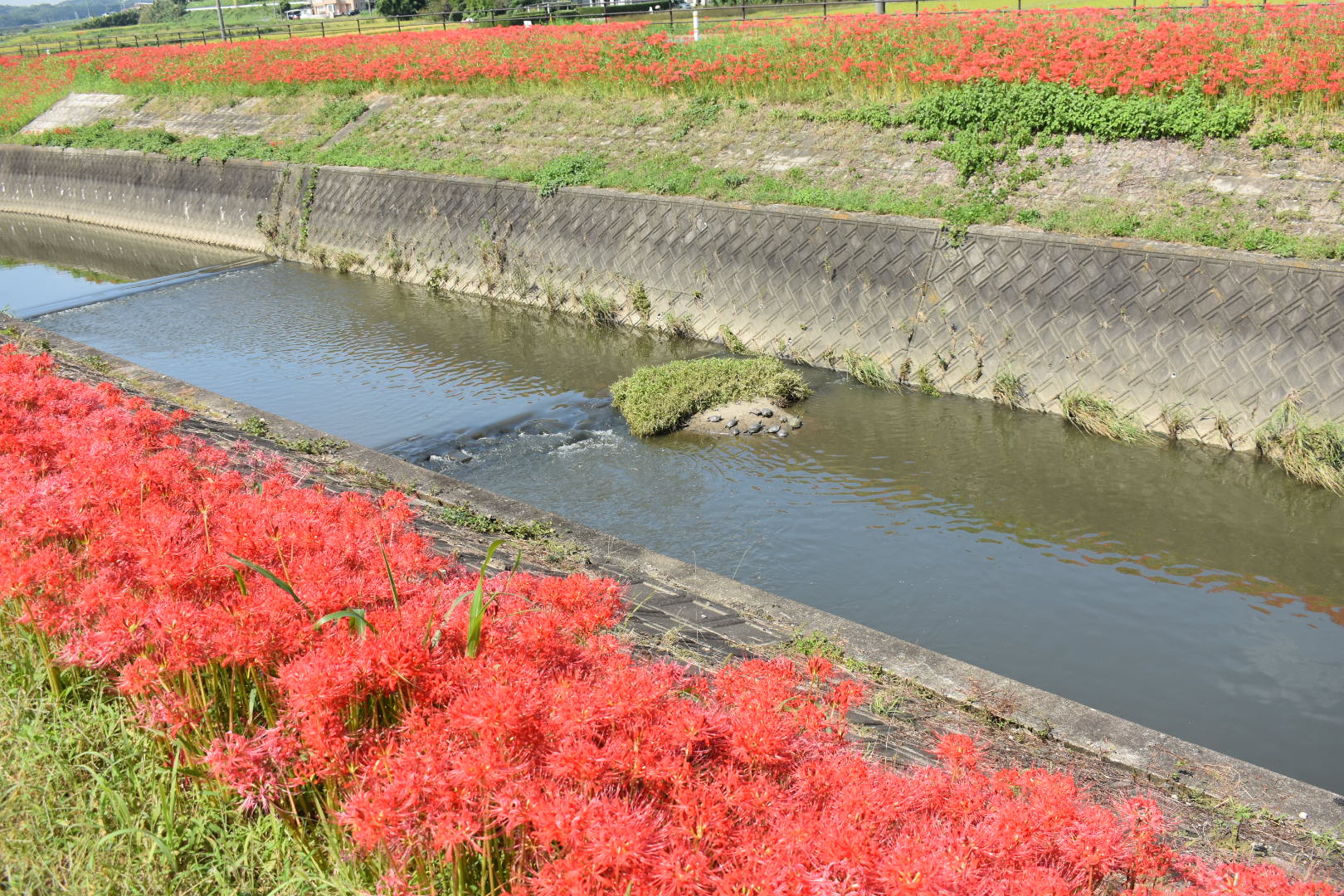
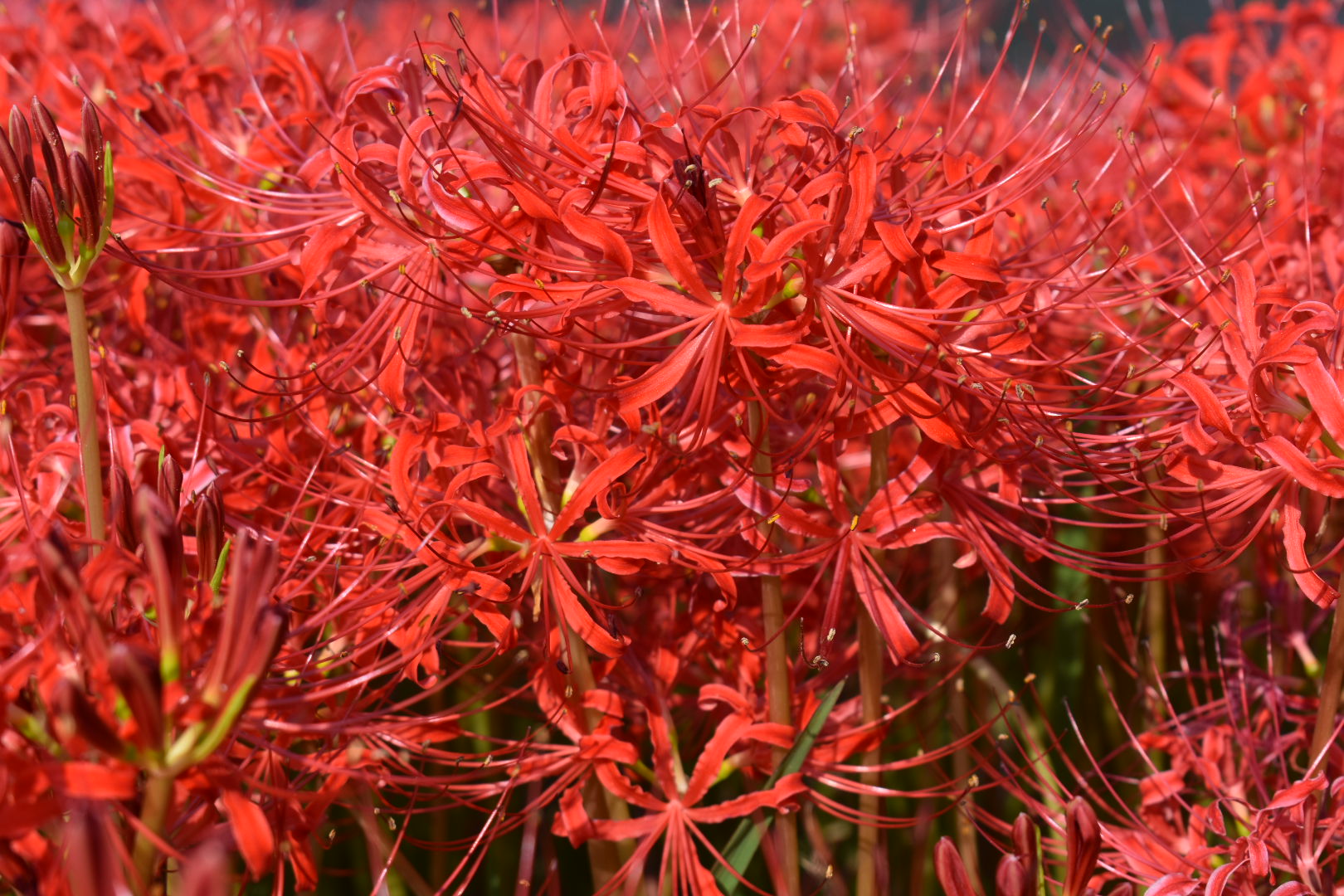
First look at the Spider Lilies.

The fox slide at the playground. 


One of my favorite pictures of the day. This grandma was walking her bike along the path.  Bikes are very common here. 


Dare to be different!


Butterfly! I took a couple of short videos of it.


Off to the great unknown...

Rice paddies nearby.


The fox slide and snail in the distance along with this cute couple all in black.  


I thought this hollowed out log was neat.


I opted not to do any of the other activities the group had planned, but just go back home.  It was a bit of a trick getting back to the correct station.  I stupidly went into the same station I came out of.  Usually there is a way to get from one station on one side to the other.  This was so tiny, though, I didn't see any stairs to go under the tracks (that's usually the way to do it), so I went out using my Manaca (IC/train) card. Or at least tried to.  The card was mad because it knew I hadn't gone anywhere.  It buzzed at me and closed the exit.  I tried again and finally just went out. I walked to the other side and used my card to go into the station and the same thing happened.  It buzzed at me and closed the gate.  There was something that said I should use the call button, so I did.  I asked in Japanese if there was anyone who spoke English.  The answer was no. So I tried to explain in broken Japanese that I went to the wrong station "chigai eki" and IC (my Manaca/train card) wasn't working. "IC kado chigaimasu." He asked me where I was or perhaps where I was going. I told him both.  At that time a lady who spoke a little English came up behind me and talked to him.  She told me she was also going to Nagoya and that he said to just go through.  He had turned off the IC card reader/gate.  I went in and this lady and I rode to Nagoya station.  She and I had conversations in broken English and broken Japanese, including where I was from and showing her pictures I'd taken.  It was one of the few times I have had where I truly had to try and speak Japanese, even though I don't have a large vocabulary.  It felt good to try, though.  I got to Nagoya station and she had a problem leaving the station because she had gone through without using her card since it was turned off, but she quickly took care of it, there was a place right there where she paid.  She forgot her card after she paid, so someone came running after her with it.  They do that here in Japan, I have seen that more than once.  

It was a rough trip, but I got through it and got some photos out of it.  I learned a lot about the trains.  I am not afraid to ride them by myself, that's for sure! I just need to plan better! The cute station leaving Handa. 


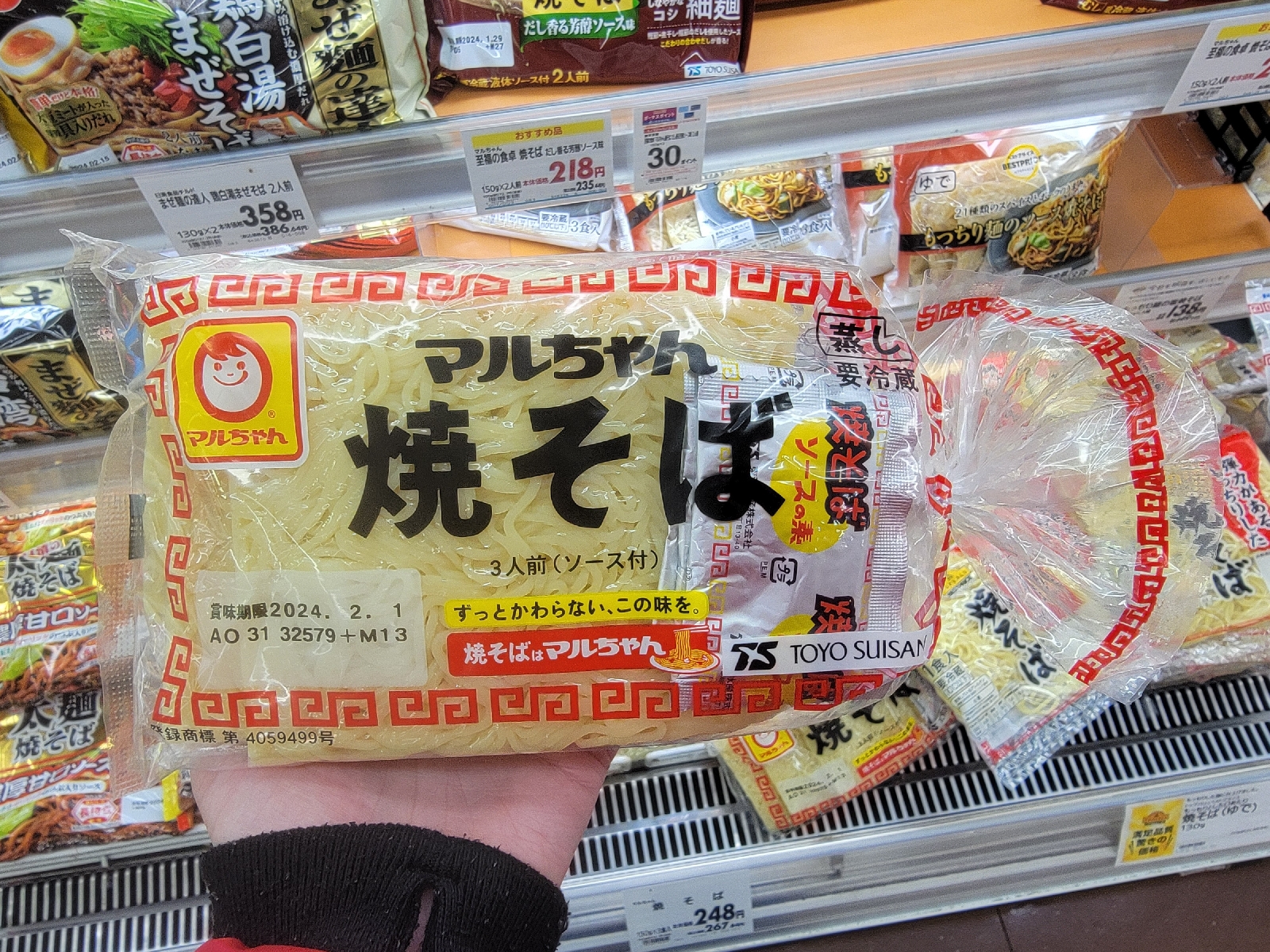
Simple Japanese Cooking

One of my friends asked me to share easy Japanese cooking, so here it is! I have bought all of these in Asian markets in the States. They wi...